



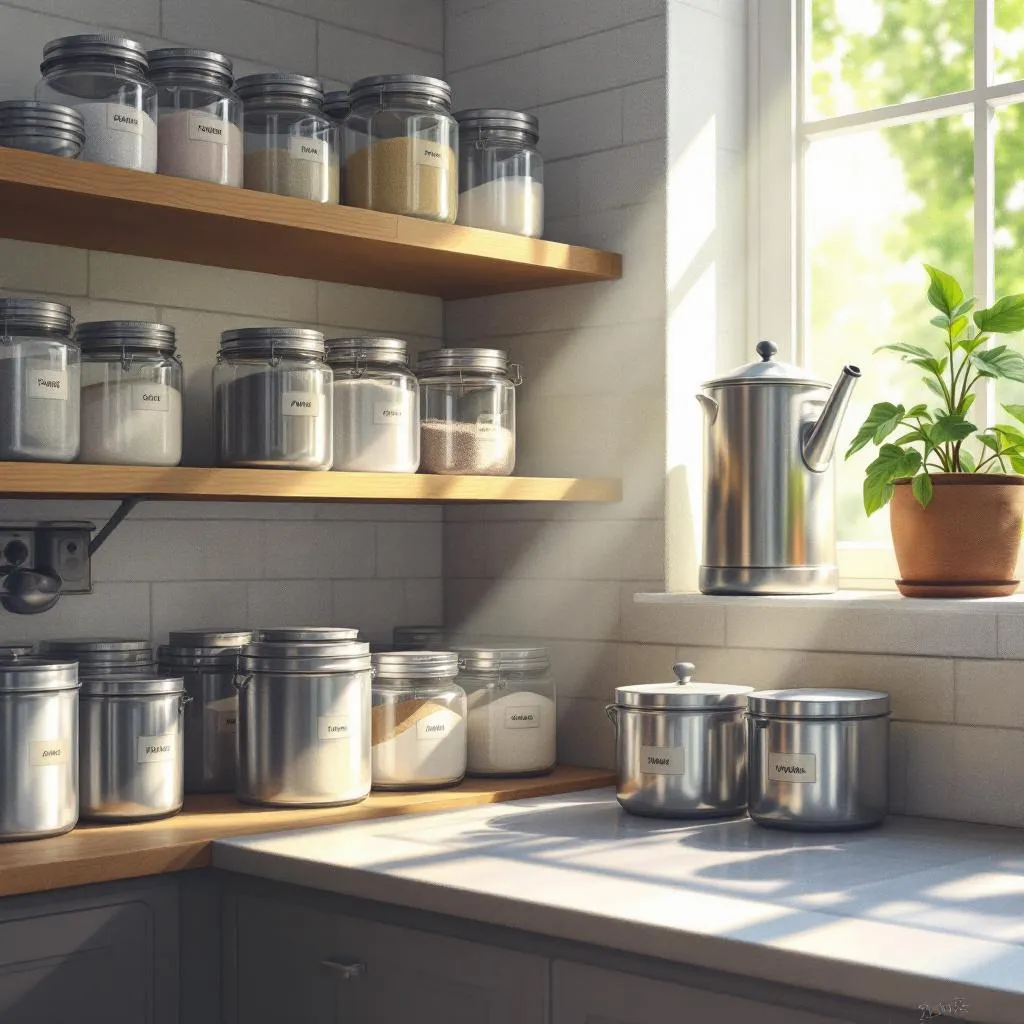
Storing powders correctly is crucial for maintaining their integrity and quality. Whether you are dealing with food ingredients, chemicals, or pharmaceuticals, improper storage can lead to contamination, clumping, or even spoilage. Have you ever wondered if you’re using the right containers for your powders? In this article, we will delve into the essential dos and don’ts of storing powders in steel containers, ensuring you maximize their shelf life and usability.
Table of Contents
- 1. Understanding the Importance of Proper Storage
- 2. The Benefits of Steel Containers
- 3. Do’s for Efficient Powder Storage
- 3.1 Do Choose the Right Size
- 3.2 Do Label Your Containers Clearly
- 3.3 Do Keep Your Containers Clean
- 3.4 Do Monitor Temperature and Humidity
- 4. Don’ts for Efficient Powder Storage
- 4.1 Don’t Use Improper Sealing
- 4.2 Don’t Store in Damp Areas
- 4.3 Don’t Overfill Containers
- 4.4 Don’t Expose to Direct Sunlight
- 5. Best Practices for Sampling
- 6. Conclusion
1. Understanding the Importance of Proper Storage
Storing powders improperly can result in various issues, including moisture absorption, chemical degradation, and loss of potency. As an e-commerce store specializing in powder samplers, sampling equipment, and stainless containers, we understand that proper storage is critical. When powders are exposed to air, temperature fluctuations, or contaminants, their effectiveness can greatly diminish, leading to poor end products and potential health risks. By adhering to best practices, you can ensure your powders remain in optimal condition.
2. The Benefits of Steel Containers
Steel containers offer numerous advantages for storing powders, particularly when compared to plastic or glass options. Here are some key benefits:
- Durability: Steel is incredibly strong and resistant to damage, making it ideal for long-term storage.
- Non-reactive: High-quality steel containers do not react with the contents, ensuring that your powders retain their integrity.
- Sealing properties: Many steel containers come with airtight seals that help protect powders from moisture and external contaminants.
3. Do’s for Efficient Powder Storage
3.1 Do Choose the Right Size
Select containers that complement the volume of your powders. Smaller containers are ideal for frequently used powders, while larger ones can be used for bulk storage. This prevents the contents from becoming stale over time.
3.2 Do Label Your Containers Clearly
Proper labeling can save time, reduce errors, and prevent cross-contamination. Include the type of powder, storage date, and any relevant safety information.
3.3 Do Keep Your Containers Clean
Regularly clean your steel containers with mild detergents and avoid aggressive chemicals that may corrode the surface. Cleaning helps prevent any contamination from previous contents that could affect the new product.
3.4 Do Monitor Temperature and Humidity
Store your steel containers in a climate-controlled environment where temperature and humidity are stable. Fluctuations can cause condensation inside containers, leading to clumping, mold, or spoilage.
4. Don’ts for Efficient Powder Storage
4.1 Don’t Use Improper Sealing
Always ensure that containers are sealed properly to prevent air and moisture intrusion. A poor seal can drastically shorten the shelf life of your powder.
4.2 Don’t Store in Damp Areas
Keep your steel containers away from damp or humid areas, as moisture can quickly lead to spoilage of powders, especially hygroscopic materials that absorb moisture from the air.
4.3 Don’t Overfill Containers
Overfilling can lead to messy spills and make it difficult to reseal properly. Leave some headspace in containers to minimize the risk of contamination upon opening.
4.4 Don’t Expose to Direct Sunlight
Prolonged exposure to sunlight can cause temperature changes within containers and degrade certain powder types. Store your steel containers in a cool, dark place for optimal preservation.
5. Best Practices for Sampling
When using powder samplers, ensure that you follow meticulous sampling protocols to prevent contamination. Always clean the samplers before use, and avoid contact with skin. This guarantees that the sample remains uncontaminated and accurately represents the stored material.
6. Conclusion
In summary, proper storage of powders in steel containers can significantly prolong their quality and usability. By following the dos and don’ts outlined in this article, you can ensure that your powders remain safe and effective for as long as possible. Whether you are a manufacturer or a small business utilizing our sophisticated sampling equipment, the principles of good storage practices are vital. Ready to enhance your storage solutions? Check out our extensive range of stainless containers and sampling equipment at our e-commerce store today!
For more insights on maintaining powder integrity, subscribe to our blog for the latest tips and practices.