



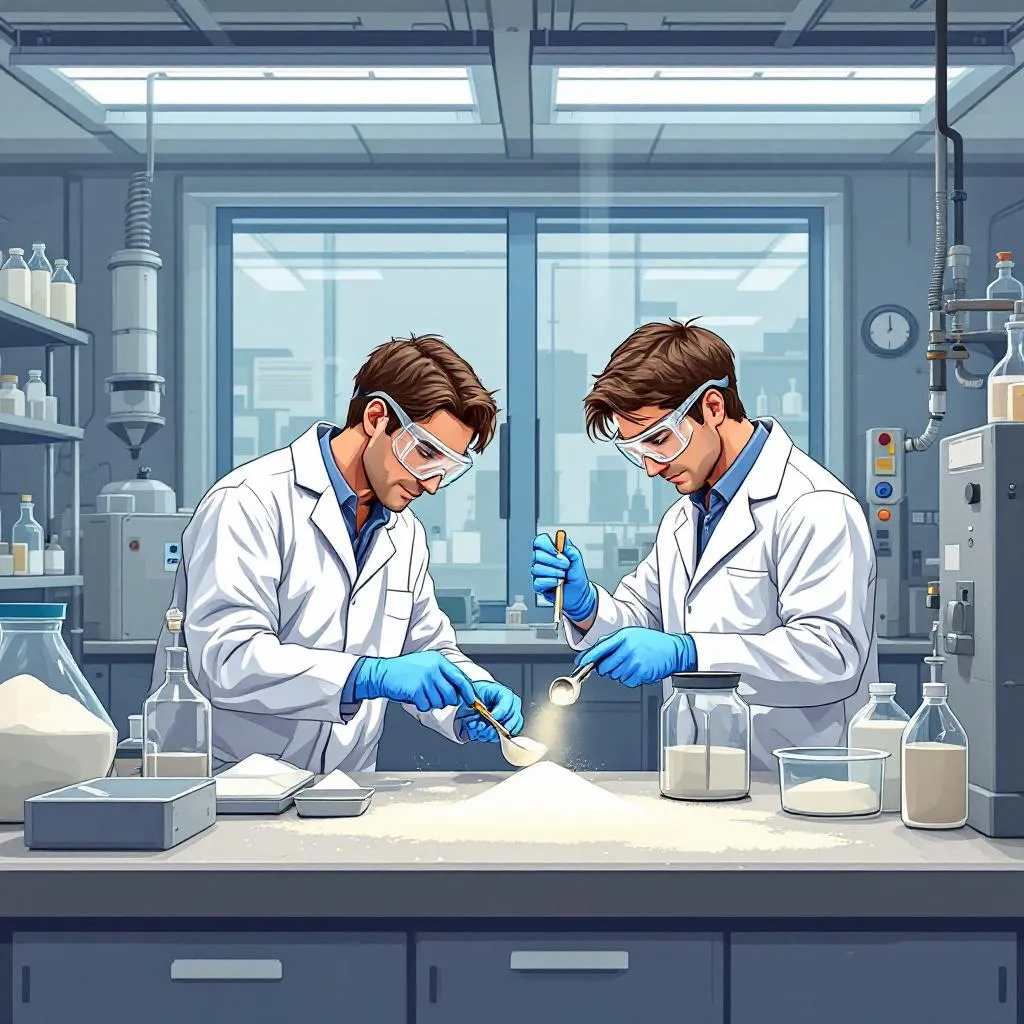
When embarking on the journey of setting up a laboratory, especially for powder sampling, one must consider various critical factors to ensure a successful operation. Powder sampling plays a crucial role in quality control, research, and product development in industries like pharmaceuticals, food, and materials science. In this post, we’ll guide you through essential considerations when setting up your laboratory, ensuring you have the right powder samplers, sampling equipment, and stainless containers to optimize your processes.
Table of Contents
- 1. Understanding the Importance of Powder Sampling
- 2. Choosing the Right Powder Samplers
- 3. Essential Sampling Equipment
- 4. Selecting Stainless Containers
- 5. Calibration and Maintenance of Equipment
- 6. Safety and Compliance Considerations
- 7. Conclusion
1. Understanding the Importance of Powder Sampling
Powder sampling is not just a simple task; it is foundational for ensuring product quality and consistency. According to a study by ScienceDirect, improper sampling methods can lead to significant variances in quality, impacting overall product reliability. In industries where precision is key, having well-equipped laboratories for powder sampling is vital to prevent costly mistakes.
2. Choosing the Right Powder Samplers
The first step in setting up your laboratory is selecting the appropriate powder samplers. Different materials may require different types of samplers based on their composition and characteristics. Factors to consider include:
- Material Compatibility: Ensure your sampler is compatible with the powders you will be working with to avoid contamination.
- Sampler Design: Choose designs that suit the powder type, such as auger samplers for free-flowing powders or core samplers for cohesive powders.
- Ease of Cleaning: Select samplers that are easy to disassemble and clean to maintain sample integrity.
For an extensive range of powder samplers, check Powder Samplers for quality options.
3. Essential Sampling Equipment
Apart from powder samplers, having the right sampling equipment is crucial for efficient powder handling and analysis. Essential equipment includes:
- Sampling Scoops and Spoons: Useful for collecting small amounts of material quickly.
- Sample Containers: Classifying containers according to size and purpose can streamline the sampling process.
- Sieving Equipment: Ensures the powder meets specific granulation requirements.
Investing in high-quality sampling equipment will provide better results and improve operational efficiency.
4. Selecting Stainless Containers
Stainless containers are essential for storing and transporting samples. Their benefits include:
- Corrosion Resistance: Stainless steel is resistant to corrosion, making it an ideal choice for various powder types.
- Temperature Stability: They can withstand extreme temperatures, ensuring sample integrity under different lab conditions.
- Reusability: Easy to clean and disinfect, promoting a sustainable laboratory environment.
For superior stainless containers, explore options at Stainless Containers.
5. Calibration and Maintenance of Equipment
Regular calibration and maintenance of your sampling equipment are necessary to ensure accuracy and reliability. A few key practices include:
- Standard Operating Procedures (SOPs): Create SOPs for calibrating instruments to maintain accuracy.
- Daily Checks: Perform daily equipment checks to identify and rectify any potential issues.
- Record Keeping: Maintain a log of calibration results to monitor performance over time.
For more insights on calibration and maintenance, visit Calibration.org.
6. Safety and Compliance Considerations
When handling powders, particularly hazardous ones, safety is paramount. Adhere to safety protocols to minimize risks:
- Personal Protective Equipment (PPE): Always wear the appropriate PPE, including gloves, masks, and goggles.
- Proper Ventilation: Ensure your laboratory is well-ventilated to avoid the accumulation of harmful dust particles.
- Emergency Procedures: Establish clear procedures for handling spills or accidents and ensure all team members are trained.
For comprehensive safety guidelines, consult the Occupational Safety and Health Administration (OSHA) website.
7. Conclusion
Setting up a laboratory for powder sampling requires careful planning and thoughtful consideration of the equipment and safety measures. By choosing the right powder samplers, essential sampling equipment, and stainless containers, and by implementing solid maintenance and compliance protocols, you can create an efficient and safe laboratory environment. Don’t forget, a well-set-up laboratory translates to more accurate results, higher quality products, and ultimately, satisfied customers.
If you’re ready to enhance your laboratory setup, start exploring our premium powder samplers, sampling equipment, and stainless containers today!